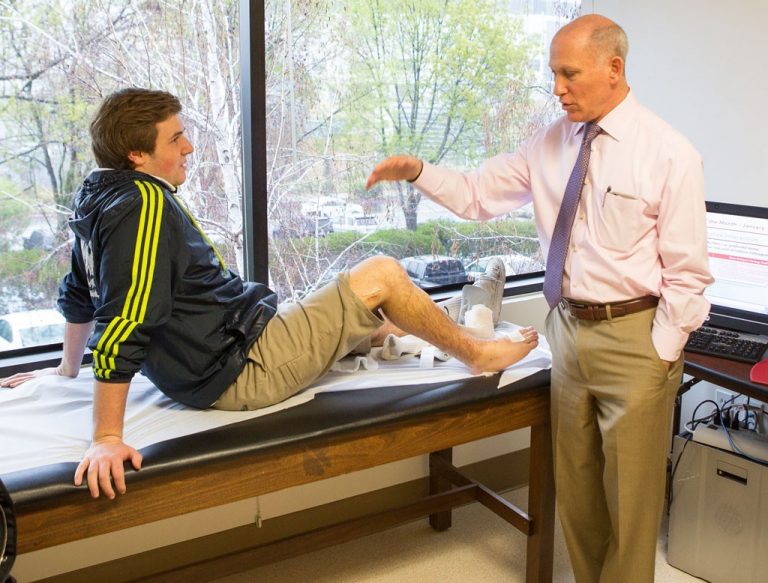
Femur lengthening is a highly specialized procedure, and one of its defining features is personalization. No two bodies are identical. Bone shape, muscle elasticity, balance, posture, and personal goals all vary from person to person. Because of this, surgeons take great care to customize the entire process. The goal is not only to increase height or correct leg length differences, but to ensure that the result looks natural, maintains mobility, and feels comfortable in daily movement. Many people review https://www.limbplastx.com/before-and-after-gallery to see how customized femur lengthening plans can create balanced, natural-looking results tailored to individual body proportions.
Understanding Body Proportions As The Starting Point
Before any surgical planning begins, surgeons study the patient’s natural proportions. The length of the femur must be considered in relation to:
- Torso length.
- Tibia length.
- Hip and pelvis width.
- Overall limb alignment.
- Walking pattern.
This analysis helps determine how much length can be safely added without disrupting balance. For instance, if the femur is lengthened too much compared to the tibia, the legs may appear disproportionate or create strain in certain muscle groups. Customization ensures a result that looks balanced and feels natural.
Evaluating Muscle, Tendon, And Joint Flexibility
The femur may be a bone, but lengthening affects the entire leg. Muscles, tendons, nerves, and skin all must gradually stretch during the process. Different people have different flexibility levels. Some have naturally elastic muscles, while others have tighter structures due to genetics, previous injuries, or lifestyle habits.
Surgeons assess:
- Hamstring and quadricep flexibility.
- Hip rotation and stability.
- Knee joint mobility.
- Ankle range of motion.
These insights influence how quickly the bone can be lengthened and what type of physical therapy program is needed. A person with tighter muscles may lengthen more slowly to allow the body time to adapt, reducing discomfort and preventing joint stiffness.
Selecting The Appropriate Bone For Lengthening
While femur lengthening focuses on the thigh bone, surgeons sometimes consider whether the tibia (shin bone) should also be lengthened, depending on the patient’s proportions. If the femur is lengthened alone, the ratio between the upper and lower leg changes. For many individuals, a carefully chosen amount of added femur length preserves natural ratios without needing to lengthen both bones.
However, if someone is seeking a larger increase in height, surgeons may plan staged or combined procedures to maintain proportional symmetry. The personalization ensures that the legs do not appear too long or too short relative to the torso and overall frame.
Choosing The Lengthening Device Based On Anatomy
Modern femur lengthening typically uses internal expandable implants. But not every rod is suited for every patient. Surgeons choose implants based on:
- Bone diameter.
- Bone density.
- Alignment correction needs.
- Activity level and lifestyle.
For example, a lighter person with a smaller bone structure may receive a narrower rod, while a patient with thicker or denser bones may require a device with greater structural reinforcement. This decision directly influences comfort, stability, and healing efficiency.
Customizing The Lengthening Rate
The lengthening phase involves slowly increasing bone length over several weeks. Surgeons determine the lengthening schedule—often around 1 millimeter per day—based on how well the patient’s body responds.
Factors that influence the rate include:
- Bone regeneration speed.
- Muscle tension.
- Nerve sensitivity.
- Physical therapy progress.
If the body needs more time to adapt, the rate can be slowed. If the bone is forming quickly and tissues are flexible, it may proceed at a steady pace. This flexibility is a key component of personalization.
Tailored Physical Therapy For Movement And Strength
Physical therapy is not a standardized routine—it is guided continuously by the patient’s progress. Therapists adjust stretching, strengthening, and walking exercises based on recovery milestones. The goal is to maintain:
- Hip stability.
- Knee tracking.
- Proper gait patterns.
- Balanced muscle engagement.
This individualized therapy ensures movement remains smooth and natural as height increases.
A Personalized Journey Toward Balance And Confidence
Femur lengthening is more than a mechanical change. It is a transformation guided by anatomy, patience, medical expertise, and personal goals. Surgeons personalize every step—planning, surgery, lengthening pace, implant choice, and rehabilitation—to support not only height, but comfort, stability, and proportional harmony.
When the procedure is customized with care, patients can achieve results that feel authentic to their body and aligned with how they wish to present themselves to the world.