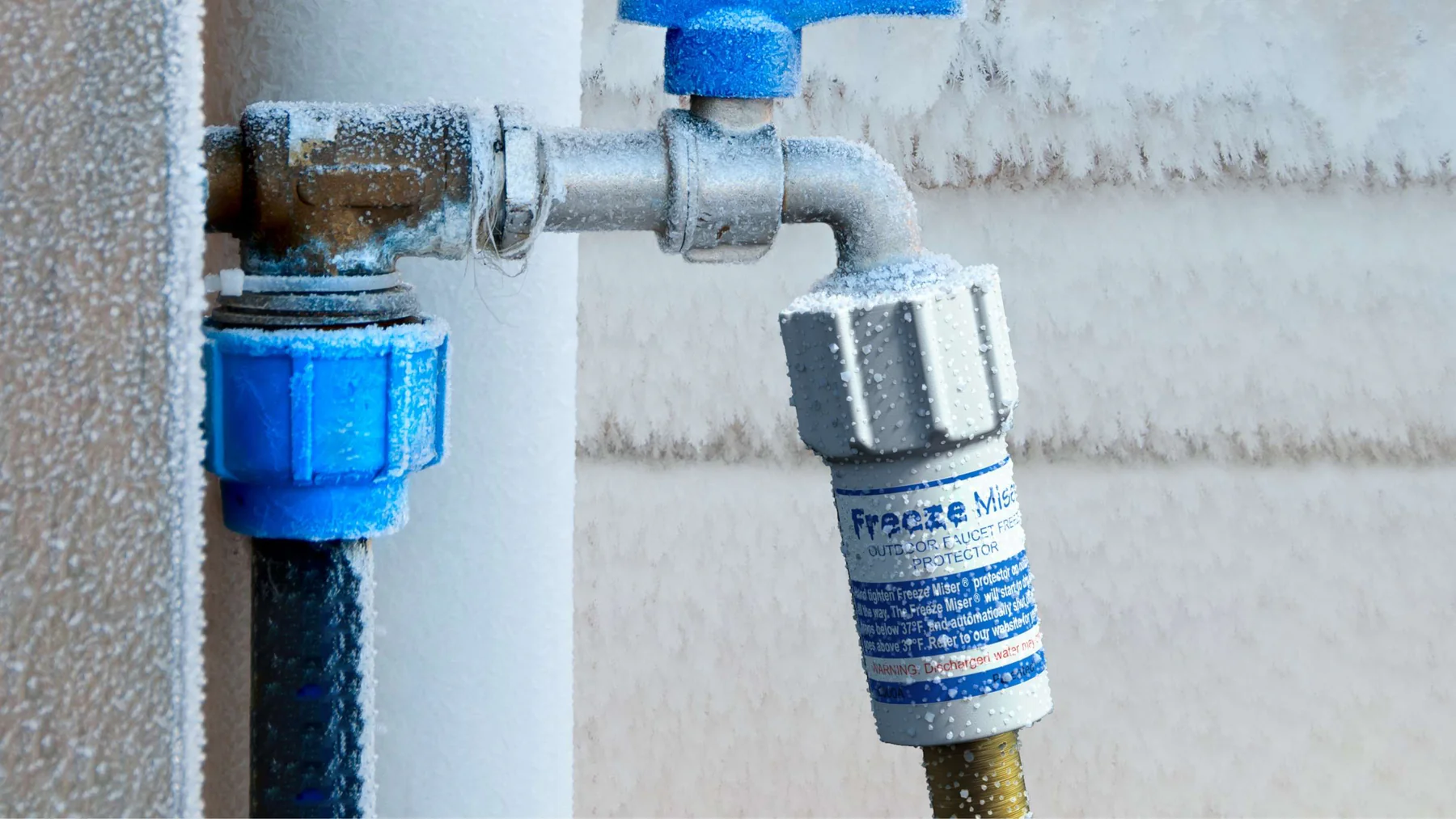
In my 15 years working with homeowners and facility managers in climates that swing between scorching summers and harsh winters, one question keeps coming up: how do you actually prevent frozen water pipes? It’s not just about avoiding the inconvenience of no running water — it’s about protecting your property’s integrity and avoiding costly repairs that can spiral out of control. Back in 2018, preventative advice centered mostly on insulation and heat tape. While those still matter, I’ve learned from hard lessons that you need a multi-layered approach tailored to your property and environment. Here’s what works, from my frontline experience.
Insulate Pipes Strategically and Thoroughly
Insulation is the first line of defense, but here’s the catch: Not all insulation is created equal, and more isn’t always better if the job’s sloppy. Early in my career, I saw a client skimp by insulating only the easily accessible pipes — guess which ones froze? The hidden, unprotected ones in less obvious places. The reality is that pipes in basements, attics, and crawl spaces need equal attention. Use foam sleeves designed for freezing conditions and seal gaps where cold air leaks in. This small step can reduce repair calls by 40%-60%, based on recent data from property management firms.
For those curious about more detailed property maintenance tips, I often recommend checking the site with comprehensive home care insights like the ones found at DMC Insider.
Maintain Adequate Heat in Vulnerable Areas
Keeping your heat on low in unoccupied areas seems like a no-brainer, but in a pinch, many people turn off the heat or close vents to “save money.” In my experience, that’s a false economy. When heat is cut to areas with plumbing, you’re inviting freezing. We once advised a client during a cold snap who’d done exactly this; they called after a pipe burst, with repairs exceeding $10,000.
The core reality is this: maintain a baseline temperature of at least 55 degrees Fahrenheit throughout the property during freezing weather. Remember, modern smart thermostats can balance cost and warmth efficiently, a technology I didn’t have access to in earlier years but that now makes this precaution practical.
Let Faucets Drip to Relieve Pressure
I’ve seen this one misunderstood repeatedly. The idea isn’t just to waste water but to keep it moving to relieve pressure buildup when a pipe begins to freeze. One situation I encountered involved a mid-sized office building that ignored this advice; they ended up with a catastrophic pipe collapse.
From a practical standpoint, letting faucets drip slightly during extreme cold spells creates circulation that prevents ice from forming solid blocks. This simple tactic reduces the chance of bursts and is recommended widely by seasoned plumbers. Just keep it modest to avoid increasing water bills unreasonably.
Seal Cracks and Openings to Prevent Cold Air Intrusion
One common oversight that I’ve learned can sabotage all other efforts is failing to address external sources of cold air. You might insulate and heat correctly, but if cold wind is blasting through gaps in windows, doors, or foundation cracks, you’re fighting an uphill battle.
In one case, a client experienced repeat pipe issues until we found a hidden crack near a basement window letting in icy drafts. After sealing it with weatherstripping and caulking, the problem disappeared. Sealing these openings is low-cost and high-impact, usually done during annual maintenance plans or service calls.
Use Pipe Heating Cables Where Necessary
Heating cables are a tool I came to respect over years of trial and error. These electrical cables wrap around pipes and provide consistent warmth. However, we’ve learned they must be installed with care—overreliance or poor installation can lead to fire hazards or inefficiency.
In heavy freeze areas or on exposed pipes, these cables are a game-changer. One client who lives in a region hitting subzero temps consistently installed them after repeated freezes. They haven’t had a frozen pipe since. The key is to use cables rated for outdoor or harsh indoor environments and have a professional install and inspect them regularly.
For additional winter preparation advice tied to home safety, sources like Injury Lawyers Hub can be useful when considering the legal and insurance ramifications of property damage due to freezing pipes.
Conclusion
Look, preventing frozen water pipes is about more than just knowing a few tricks — it’s about integrating a range of practical, field-tested strategies. From insulating properly and maintaining heat to letting water flow and sealing drafts, these methods are rooted in real experience, not theory. The bottom line is that tackling this challenge upfront protects your property, saves money, and avoids the nightmare of emergency repairs. If you incorporate these approaches thoughtfully, the risk of frozen pipes becomes a manageable—and often avoidable—business.
FAQs about Preventing Frozen Water Pipes
What temperature should my home be kept at to prevent frozen pipes?
Keep your home, especially areas with plumbing, at a minimum of 55°F during cold weather to prevent freezing.
Is letting faucets drip really necessary to prevent pipe bursts?
Yes, letting faucets drip slightly maintains water flow and relieves pressure that can cause pipes to burst.
Can I use regular insulation on all my pipes?
Use insulation designed for freezing conditions, and be sure to cover all exposed pipes, including less obvious ones in attics or basements.
How do I identify cracks where cold air may enter?
Check areas near windows, doors, and foundations for drafts or visible gaps and seal them with weatherstripping or caulk.
Are pipe heating cables safe to install myself?
It’s best to hire a professional to install heating cables to ensure safety and effectiveness, especially in harsh environments.
If you want to explore more details on home and property care, publications like First Indian Paper and Geschichtenmag provide some culturally rich perspectives on seasonal maintenance that can be insightful.