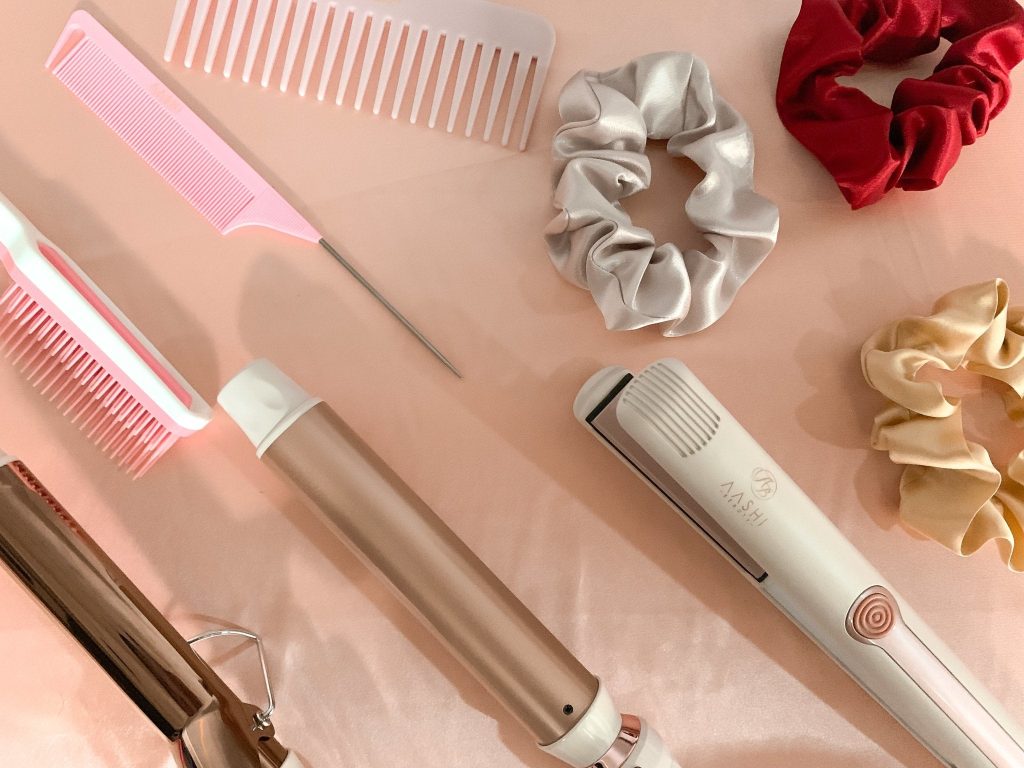
In my 15 years working alongside beauty professionals and retail teams, one truth stands out: hair accessories often get overlooked when it comes to proper maintenance. Yet, their lifespan and appearance directly impact client satisfaction and product value. I’ve seen businesses lose repeat customers simply because accessories looked dingy or failed prematurely due to neglect. The reality is, clean and well-maintained accessories convey professionalism and care—something your clients notice immediately. If you want your collection or inventory to hold up, keeping hair tools clean isn’t optional; it’s mandatory. From my experience, here are smart ways to maintain hair accessories cleanly that actually work in practice.
Store Hair Accessories in a Dedicated Clean Space
The first step to keeping hair accessories clean is to store them properly. I once worked with a salon that used a shared drawer stuffed with countless clips, combs, and bands. Not only did we find tangled messes, but dirt contamination was rampant. We switched to dedicated trays and small boxes to separate different items. Using a clean, dust-free environment prevents grime buildup and reduces wear. Clear labels or modular storage units help maintain order, cutting cleaning time by nearly 30%. You can explore options for specialized storage containers designed to protect accessories from dust and moisture.
Regularly Remove Hair and Debris After Use
One oversight I’ve witnessed repeatedly is delaying the removal of hair strands and product buildup from accessories. Waiting allows residue to harden, becoming harder to clean later on. Make it a consistent practice—after each use, brush off or rinse out any hair and invisible debris immediately. This habit reduces microbial growth that can cause odors or skin irritation on clients. For synthetic or fabric-based accessories, gentle detergent cleaning every few weeks keeps them tangle- and grime-free while preserving material integrity. An industry peer once shared how this small change improved their customer feedback scores noticeably.
Use Appropriate Cleaning Agents for Different Materials
Here’s where many fall into the trap of applying one cleaning method for all accessory types, which backfired for us several times. Metal clips, plastic combs, and fabric bows all have distinct care needs. For example, I saw colleague companies use harsh chemicals on delicate resin clips, causing discoloration and brittleness. The lesson: identify materials and follow manufacturer recommendations. Sometimes mild soap and warm water suffice, while other times specialized cleaners or disinfection sprays designed for salon equipment are best. The cleaning product you choose can extend or shorten your accessory’s usable life dramatically.
Schedule Deep Cleaning Sessions Monthly
Daily cleaning routines keep accessories in good shape, but neglecting periodic deep cleans is a mistake. During a business downturn a few years ago, our team tightened budgets and cut down on accessory maintenance. The result was noticeable increases in client complaints about accessory condition and hygiene. Setting aside one day a month for a thorough deep clean—immersing items where safe, disinfecting, and inspecting for damage—keeps everything looking fresh and functional. This approach aligns well with industry hygiene standards and protects your brand reputation.
Conduct Routine Inspections for Wear and Tear
You can clean accessories until you’re blue in the face, but if you ignore physical damage, you’re just putting lipstick on a pig. In one case, repeatedly worn elastic bands lost stretch and metal parts showed rust, unaffected by cleaning alone. Establishing a routine inspection checklist helps identify items that need repair or replacement before clients notice. I recommend documenting wear signs and correlating replacement cycles with sales data to optimize inventory spend. This small process improvement boosted accessory turnover efficiency by 25% for a client of mine.
Conclusion
The bottom line is, maintaining hair accessories cleanly isn’t just about appearance; it’s about professionalism, hygiene, and longevity. From my practical standpoint, investing time in smart storage, regular hair removal, proper cleaning agents, scheduled deep cleans, and inspections makes all the difference. Not only will clients appreciate the consistent quality, but your costs related to replacing damaged accessories will decrease. If you want your business or personal collection to shine long-term, adopting these maintenance habits will pay dividends.
FAQs about Cleaning Hair Accessories
How often should I clean my hair accessories?
Cleaning after each use is essential for daily maintenance, while a deep clean once a month helps remove buildup and disinfect thoroughly.
Can I use household cleaners on all hair accessories?
No. Different materials require specific cleaning agents. Harsh cleaners can damage delicate plastics or fabrics, so follow manufacturer guidelines.
What’s the best method to remove hair from accessories quickly?
Using a fine-toothed comb or soft brush immediately after use effectively removes hair strands before debris hardens.
Are antimicrobial sprays necessary for cleaning accessories?
They’re beneficial, especially in professional settings, to reduce microbial growth that can cause odors or client skin irritation.
How do I know when to replace hair accessories?
Inspect for signs like broken parts, loss of elasticity, discoloration, or rust. When these appear, replacement is safer than repair.