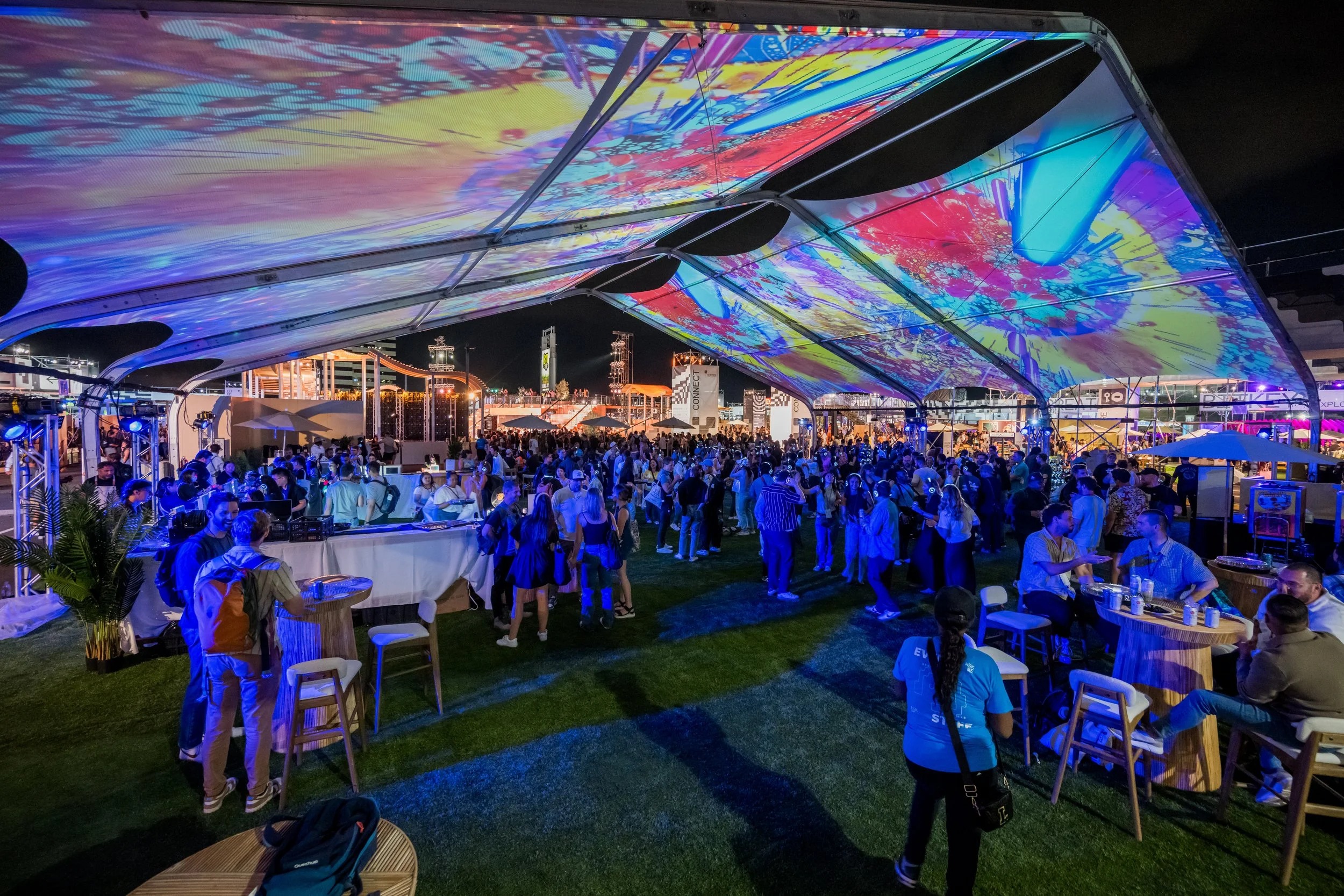
A successful event may appear effortless to the people attending it, but behind the scenes, countless details need to work together at exactly the right time. Lighting must complement the atmosphere, audio needs to be clear, presentations must appear on schedule, and every technical transition should feel natural. An event production firm may have a big impact on how all these moving aspects are managed.
Event production goes far beyond simply supplying microphones, screens, or lighting equipment. A professional production team helps transform an initial idea into a complete experience by combining planning, technology, creativity, and on-site coordination. Whether the event is a corporate meeting, conference, product launch, awards program, or another live experience, professional production can help everything feel polished and intentional.
Turning An Event Concept Into A Practical Plan
Most events begin with a vision. Organizers may know how they want guests to feel, what messages need to be communicated, and what the overall experience should accomplish. Turning those ideas into something that works in a real venue requires detailed planning.
An event production company helps connect creative ideas with practical requirements. The team can consider the venue layout, audience size, presentation format, technical needs, schedule, and other important elements before determining how everything should work together.
This early planning can prevent problems later. Instead of making isolated decisions about sound, video, lighting, and staging, organizers can approach production as one connected system.
Professional Audio That Keeps Everyone Connected
Clear sound is one of the most important parts of almost any event. Guests should be able to hear speakers comfortably without distracting feedback, inconsistent volume, or unclear audio.
Production professionals can determine which microphones, speakers, mixing systems, and other audio equipment are appropriate for the environment. They also manage sound throughout the event, making adjustments when necessary.
This becomes particularly valuable when an event includes multiple presenters, panel discussions, videos, music, or audience participation. Smooth audio transitions allow attendees to focus on the content rather than the technology supporting it.
Lighting That Shapes The Atmosphere
Lighting has both practical and creative purposes. Guests need to see speakers and important areas clearly, but lighting can also influence the mood of an entire space.
A production team can use lighting to emphasize a stage, create visual depth, support branding, and guide attention toward important moments. Different lighting approaches can also help distinguish portions of a program, making transitions feel more deliberate.
Professional lighting is especially useful when photography or video recording is involved. Thoughtful lighting can help people and physical spaces appear more polished both in person and on camera.
Visual Technology That Strengthens Communication
Modern events frequently depend on visual content. Presentations, videos, graphics, live camera feeds, digital branding, and other visual elements can help communicate information in a more engaging way.
An event production company can coordinate displays, projection, LED technology, video switching, and content playback so visual materials appear when they are supposed to. The production team also considers sightlines, screen placement, and room dimensions to help ensure that attendees can comfortably view important content. When visual technology works smoothly, it becomes part of the experience rather than a distraction.
Coordination Behind The Scenes
Some of the most valuable production work happens where attendees never see it. During an event, numerous cues may need to happen within seconds of one another. A speaker walks onto the stage, their microphone becomes active, lighting changes, presentation content appears, and perhaps music fades away.
Production professionals coordinate these moments so the program continues smoothly. They communicate with event organizers, presenters, venue teams, and other professionals involved in the event.
This level of coordination can also make unexpected situations easier to manage. Technical problems or last-minute program changes can happen, but having experienced professionals available means there is a team prepared to respond.
Creating A More Engaging Audience Experience
Technology should ultimately support the people attending the event. Excellent production is not about using equipment simply because it is available. It is about using the right tools to make communication clearer and experiences more engaging.
Sound, lighting, staging, and visual content can work together to direct audience attention and create memorable moments. A keynote presentation may benefit from focused lighting and strong visual content, while an awards ceremony may require carefully coordinated music, graphics, and stage cues. Every production decision can contribute to how the audience experiences the program.
Supporting A Consistent Professional Image
Events often represent a company, organization, or brand in a highly visible setting. Poor sound, awkward transitions, or technical interruptions can influence how attendees perceive the overall experience.
Professional production helps create consistency. Branding can be incorporated into screens and stage elements, presentations can follow an organized visual approach, and technical transitions can reinforce the polished character of the event.
This consistency becomes particularly important for corporate events where the experience itself can communicate professionalism and attention to detail.
Bringing Everything Together
An event production company brings much more than equipment to an event. It provides technical expertise, creative thinking, detailed preparation, coordination, and the ability to connect multiple production elements into one cohesive experience.
When audio, lighting, visuals, staging, and behind-the-scenes operations work together, attendees are less likely to notice the technology itself. Instead, they can concentrate on the speakers, information, entertainment, and connections that brought them to the event in the first place.
Ultimately, professional event production helps turn a collection of ideas and technical requirements into an organized, engaging experience that feels seamless from beginning to end.


