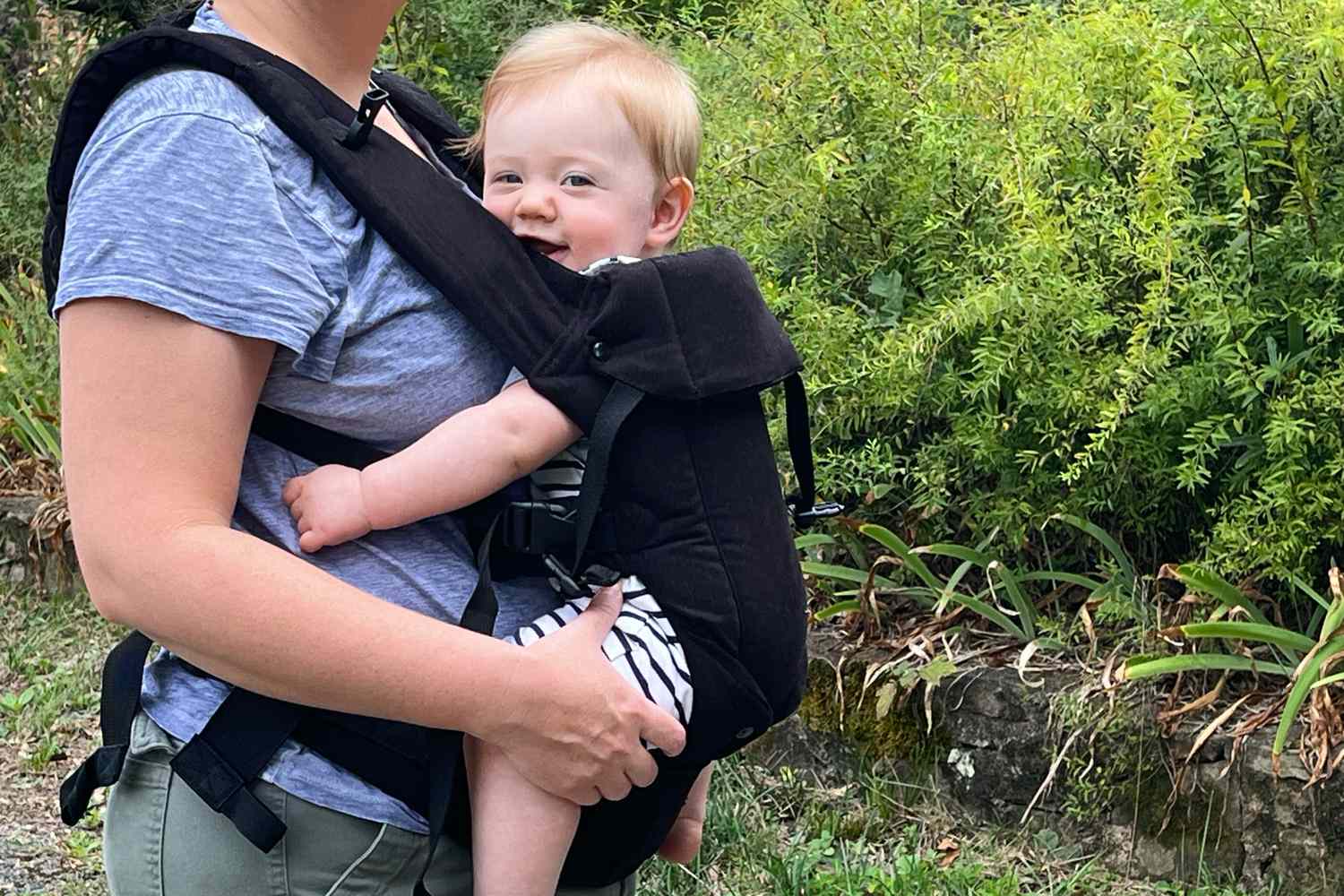
Most new parents do not struggle because they lack options—they struggle because every carrier looks fine online and only reveals its flaws after a long afternoon of errands. A well-matched infant carrier should feel secure from the first wear, support healthy positioning, and stay comfortable when your arms are already tired. The goal is not to buy the most featured model on the market, but to find one that works in your real routine: school drop-offs, grocery runs, contact naps, and those evenings when your baby refuses to settle anywhere except against your chest.
That practical lens matters because infant carrying is less about a lifestyle aesthetic and more about repeatable comfort. When the fit is wrong, parents often quit babywearing early and assume the problem is them—not the gear. In most cases, a few clear fit checks and a better match to the baby’s stage solve the issue faster than switching brands every month.
Start With Safety, Not Style
Before comparing fabrics or colors, confirm that the carrier supports safe positioning for your baby’s age. In early infancy, airway visibility and hip support come first. The familiar T.I.C.K.S. checklist remains a useful standard: snug fit, face in view, close enough to kiss, chin off chest, and a supported back.
Hip health matters too. Newborns and young infants benefit from knee-to-knee support with thighs supported rather than legs hanging straight down. That M-shaped position distributes weight more naturally and reduces strain on developing joints.
- Check that your baby’s face stays visible and uncovered during every wear.
- Make sure the chin does not drop toward the chest, especially during sleep.
- Confirm knee-to-knee support rather than dangling legs in the early months.
- Re-tighten straps after sitting, bending, or when your baby shifts position.
These checks take seconds, but they prevent the small positioning mistakes that make carrying feel stressful instead of helpful.
Match Carrier Type to Your Stage
Infant carriers are not one universal design. Wraps, ring slings, meh dai styles, and soft-structured carriers each solve different problems. The best choice depends on how often you carry, who else will wear the baby, and how quickly you need to get in and out of the carrier during the day.
| Carrier style | Best for | Main advantage | Common trade-off |
| Stretchy wrap | Newborn closeness at home | Cozy, compact, gentle support | Learning curve; less ideal for quick transitions |
| Ring sling | Short errands and nursing access | Fast on/off, packs small | One-shoulder load during long wears |
| Soft-structured carrier | Daily errands and shared use | Even weight distribution, easier solo setup | Bulkier; fit varies by body shape |
| Meh dai / hybrid | Flexible custom fit | Wrap-like adjustability with more structure | Still requires tying technique |
Many families succeed with a two-stage plan: a lighter newborn-friendly option for the first weeks, then a structured carrier for longer outings once everyone is more confident. That approach reduces pressure to find one product that must do everything perfectly from day one.
Fit for the Wearer Matters as Much as Fit for the Baby
A carrier that looks ideal in photos can still fail in real life if the waistband sits too low, the shoulder straps pull unevenly, or the panel is too wide for a smaller torso. Before judging whether babywearing is “for you,” run a simple 20-minute test at home.
During that test, ask:
- Can you kiss the top of your baby’s head without straining your neck?
- Does weight sit on your hips and core instead of pulling from the shoulders alone?
- Can you tighten the carrier quickly without a long adjustment routine?
- Does your lower back feel stable rather than compressed after twenty minutes?
If the answer is no, adjust first. Often a higher waistband, tighter base, or different carry position fixes the problem. When multiple caregivers share one carrier, look for broad sizing ranges and intuitive strap routing so each adult can replicate a safe fit without guesswork.
What Changes From Newborn to Older Infant
Your perfect carrier at six weeks may not feel perfect at six months—and that is normal. In the first months, inward-facing front carry is usually the safest and most soothing default. As head and trunk control improve, longer walks and busier days become easier with a structured carrier that shares weight across shoulders and waist.
Some parents explore outward-facing carries once their baby is alert and engaged, but short windows often work best. If your baby becomes fussy or overstimulated, turning back inward usually restores calm faster than pushing through the position change.
For a deeper breakdown of how to evaluate styles, fit stages, and day-to-day comfort across the first year, this guide to finding your perfect infant carrier walks through the same questions with practical examples—from newborn airway checks to toddler transition planning.
Do Not Let Price Replace Fit
Expensive fabrics and premium branding do not automatically create a better carry. What matters is adjustability, clear instructions, and whether the carrier feels sustainable on an ordinary tired day. Parents often get better results by testing fit at home before a long outing than by chasing trend-driven features they will never use.
When budget is tight, prioritize one dependable design over multiple partial solutions. A single carrier that fits well and goes on quickly will outperform a closet full of options that each solve only part of the problem.
Build Confidence With a Short Rehearsal Routine
Before the first big outing, practice at home with calm timing—not during a meltdown or when you are already late. Put the carrier on, check positioning, walk around the room, sit down, stand up, and repeat. Sleepy moments are especially important to test because fit often shifts when a baby relaxes against your chest.
That rehearsal builds muscle memory. On a busy day, you are far less likely to skip carrying altogether if getting ready takes one minute instead of five.
Final Thoughts
The right infant carrier is the one that keeps your baby safe, keeps you comfortable, and fits the life you already live. Safety checks come first, then stage-appropriate design, then wearer comfort. When those three align, babywearing stops feeling like a backup plan and becomes a reliable part of daily parenting.
Start with positioning basics, choose for your current phase rather than every future milestone at once, and let your setup evolve as your baby grows. That is usually the fastest path to a carrier you actually reach for—not one that stays folded in the closet after the first frustrating afternoon.