Movement is an essential part of everyday life, whether it involves walking, working, exercising, or completing simple household activities. However, chronic pain can gradually limit mobility, making even ordinary tasks uncomfortable. When discomfort becomes persistent, people often reduce their physical activity to avoid aggravating their symptoms. Unfortunately, prolonged inactivity can contribute to muscle weakness, stiffness, and additional mobility challenges. Understanding the connection Between movement and pain relief is essential for improving physical health and maintaining independence.
Effective pain management Denver focuses on more than temporarily reducing discomfort. It also entails determining the root causes, reestablishing bodily function, and assisting people in resuming their regular activities. With personalized treatment strategies, patients can work toward improved mobility and a more comfortable lifestyle.
Understanding the Relationship Between Pain and Mobility
Pain and mobility are closely connected because discomfort can directly influence how the body moves. Conditions affecting the spine, muscles, joints, and nerves may restrict movement and make certain activities difficult. For example, someone experiencing lower back pain may struggle with bending, lifting, or sitting for extended periods.
When movement becomes painful, individuals may begin avoiding activities that previously felt natural. Over time, this reduction in physical activity can weaken supporting muscles and decrease flexibility. As a result, everyday movements may become increasingly challenging.
Improving mobility requires addressing both the source of pain and the physical limitations associated with it. A comprehensive treatment approach can help patients gradually rebuild strength, improve flexibility, and develop healthier movement patterns.
The Importance of Personalized Pain Management
Every individual experiences pain differently. Factors such as age, medical history, lifestyle, physical condition, and the underlying cause of discomfort can influence treatment needs. Therefore, relying on a single approach may not provide appropriate results for everyone.
People exploring pain management Denver services may benefit from comprehensive evaluations that identify potential causes of their discomfort. Based on each patient’s needs, medical professionals can review medical histories, evaluate symptoms, and suggest appropriate treatment options.
Physical therapy, specific exercises, medications, lifestyle modifications, and, when necessary, specialist medical procedures are all possible components of individualized pain management strategies. The objective is to reduce discomfort while improving the patient’s ability to move comfortably and safely.
By focusing on individual circumstances, healthcare providers can develop strategies that support realistic improvements in daily physical function.
Physical Therapy and Its Role in Restoring Movement
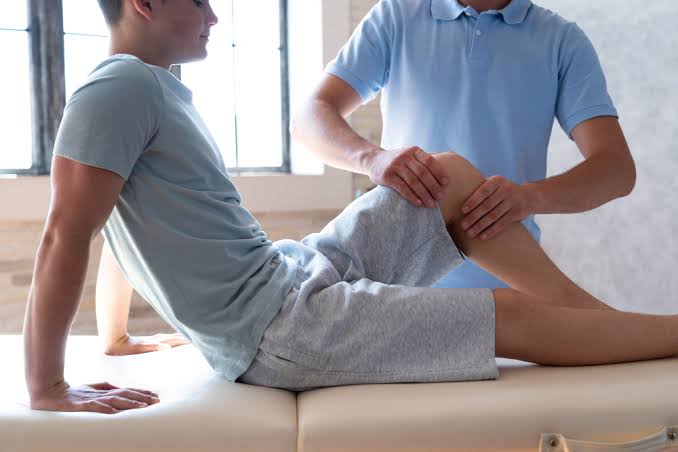
Physical therapy is an important component of many pain management programs. It focuses on improving strength, flexibility, balance, and coordination through carefully selected exercises and movement techniques.
Physical therapy may include exercises that strengthen the muscles that support the spine for those with back discomfort. Activities intended to increase range of motion and lessen stiffness may be beneficial for those experiencing joint pain.
Therapists also help patients understand proper posture, body mechanics, and movement habits. These techniques can reduce unnecessary strain during everyday activities.
Regular participation in an appropriate physical therapy program may gradually improve mobility while helping individuals manage discomfort more effectively. Progress often depends on consistency, the underlying condition, and the patient’s response to treatment.
Addressing Chronic Pain Before Mobility Declines
Chronic pain can interfere with physical activity, sleep, productivity, and emotional well-being. When discomfort remains untreated, individuals may develop movement restrictions that affect their overall quality of life.
Seeking medical guidance when pain persists can help identify conditions that require attention. Early assessment may also reduce the likelihood of avoidable functional limitations.
Healthcare professionals can recommend appropriate interventions based on the severity and nature of symptoms. These may include rehabilitation exercises, medication management, or other evidence-based treatments.
Addressing pain before significant mobility problems develop can make it easier for patients to maintain their normal activities and physical independence.
Lifestyle Habits That Support Better Mobility
Medical treatment is only one part of maintaining comfortable movement. Everyday lifestyle choices also influence muscle strength, joint health, and physical function.
Frequent low-impact exercises that promote flexibility and circulation include swimming, strolling, and light stretching. Strength-building exercises may also improve muscular support around vulnerable joints.
Maintaining a healthy weight can reduce unnecessary pressure on weight-bearing joints, while proper workstation ergonomics may help prevent avoidable muscle strain.
Adequate sleep, balanced nutrition, and appropriate recovery periods further support physical well-being. However, individuals with persistent pain should consult qualified healthcare professionals before beginning new exercise routines.
Building Long-Term Comfort Through Consistent Care
Improving mobility is often a gradual process requiring patience, professional guidance, and consistent participation. Some individuals experience noticeable improvements relatively quickly, while others require ongoing treatment and rehabilitation.
Regular evaluations allow healthcare providers to monitor progress and adjust treatment strategies when necessary. Patients can also benefit from learning techniques that help them manage symptoms independently.
Rather than focusing exclusively on immediate relief, effective pain management encourages sustainable improvements in movement, strength, and daily function.
Conclusion
The relationship between mobility and pain management highlights the importance of treating discomfort while supporting physical function. Persistent pain can restrict movement, while reduced activity may contribute to additional stiffness and weakness.
Through personalized medical care, physical therapy, healthy lifestyle habits, and consistent rehabilitation, individuals can work toward improved mobility and greater independence. Addressing pain with a comprehensive approach can help people participate more comfortably in everyday activities and maintain a better quality of life.